Stop Arizona Heat from Destroying Your Concrete
What You’ll Learn:
-
Why Arizona heat damages concrete so quickly and how extreme surface temperatures and rapid evaporation lead to scaling, thermal cracking, and expensive slab replacements.
-
Practical prevention strategies contractors use, including cooling the mix with chilled water or ice, scheduling pours during cooler hours, and using windbreaks, shading, and proper curing methods.
-
How smarter mix designs and surface protection reduce long-term costs, with heat-tolerant admixtures, fiber reinforcement, and reflective coatings that help concrete reach full strength and resist desert conditions.
Protect your slab from triple-digit heat
Want to protect concrete from Arizona heat? Surface temperatures regularly top 140 degrees on summer afternoons, and fresh concrete that cures too fast can crack within hours. You can ignore the problem and accept repairs, or plan pours, and protection like experienced contractors do, and cut repair costs and downtime by 60 to 90 percent.
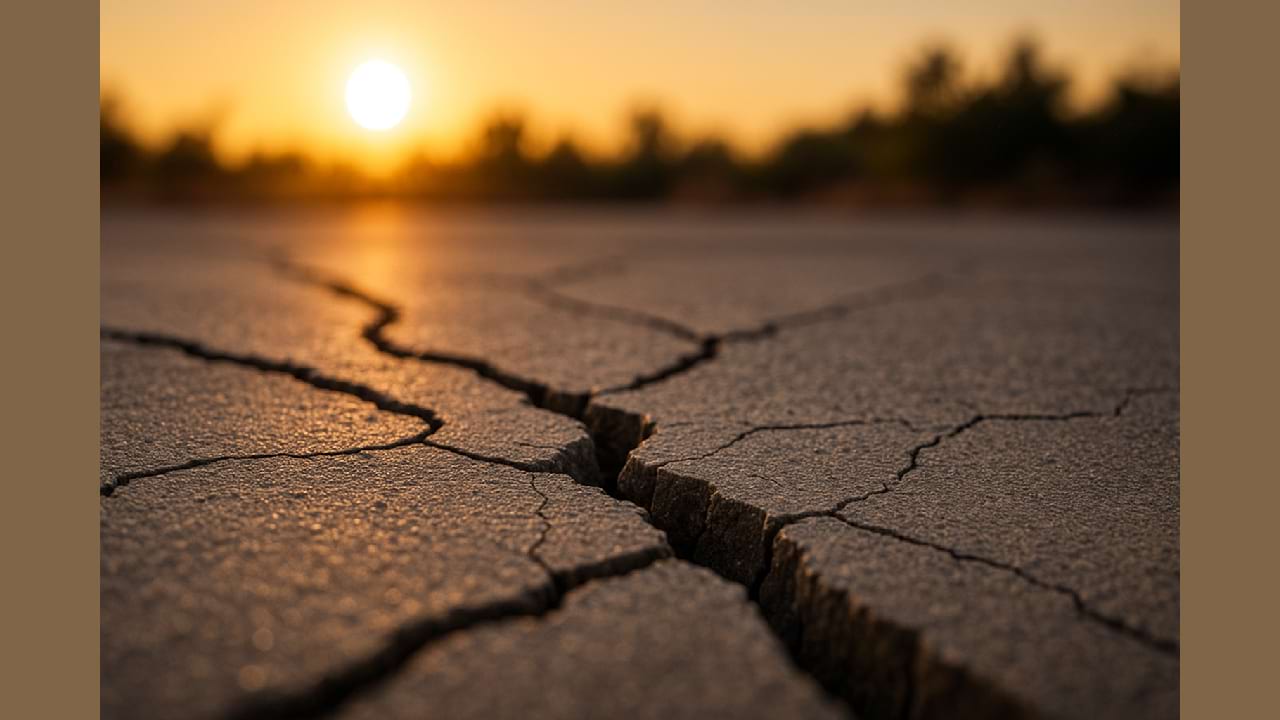
Avoid costly heat damage to concrete
High ambient temperatures speed evaporation, reduce final strength, and increase the risk of plastic and thermal cracking. For commercial properties, the cost of inaction isn’t just repair bills; it’s lost rent, safety liabilities, and schedule overruns.
On a 5,000-square-foot warehouse floor, a full replacement at $15 per sq ft costs about $75,000. If that floor’s out of service for two weeks, you can lose revenue, potentially tens of thousands more. Owners who schedule prevention avoid those numbers.
Note: Prices are just examples and may not reflect actual costs.
Cool fresh concrete to prevent cracking
Cooling strategies for fresh concrete deliver the biggest savings. Plan for cooler mix ingredients and on-site controls rather than paying for repairs later. Who wants downtime and repeat fixes?
- Use chilled mixing water or ice at the batch plant to reduce concrete temperature by 10 to 25 degrees and slow hydration to cut plastic shrinkage.
- Use chilling materials for pours, such as crushed ice or pre-cooling systems, especially during midday work when the ambient temperature peaks.
- Schedule pours for early morning or late evening to minimize sun exposure and wind-driven evaporation.
- Install windbreaks and sunshades on exposed pours to lower evaporation and remove the need for aggressive accelerators.
Each tactic boosts your confidence that a pour will reach design strength without costly rework.
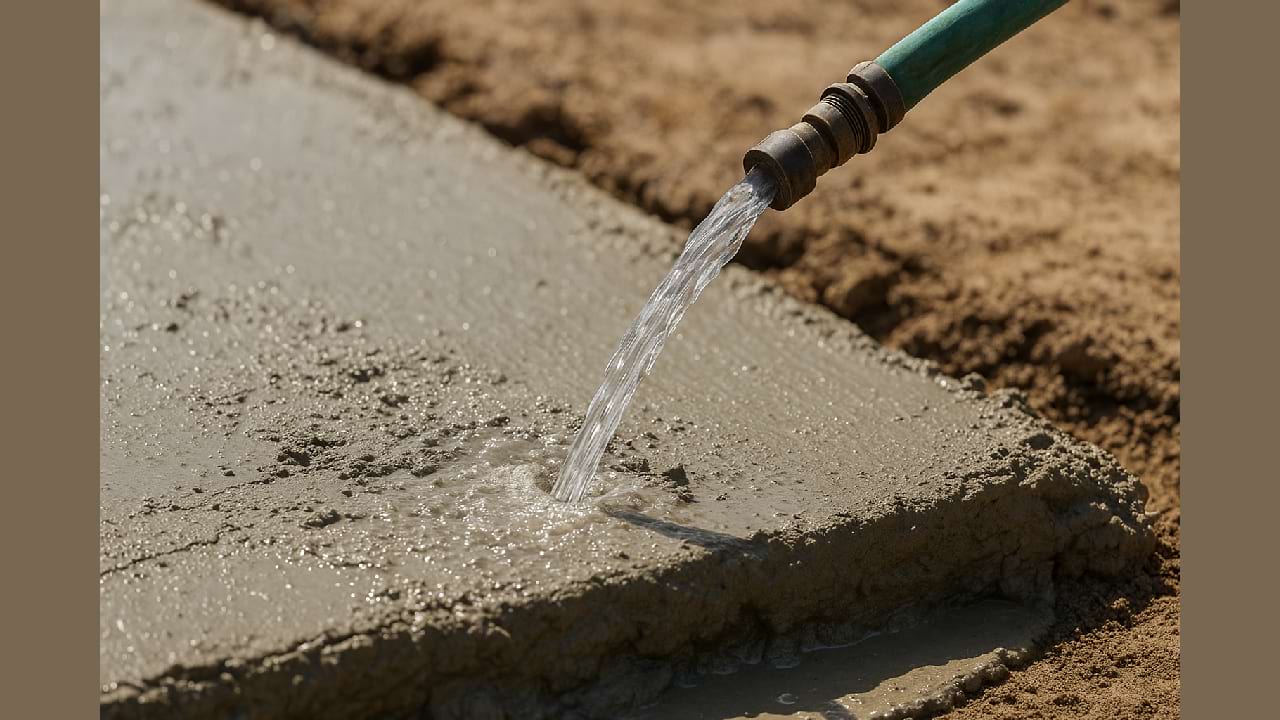
Cure concrete in high heat for lasting strength
Choose a curing method that keeps moisture in and reduces internal temperature gradients. Effective options in high heat include continuous water curing, wet burlap with periodic rewetting, and liquid membrane-forming curing compounds applied within 30 minutes of finishing.
For slabs with heavy traffic, combine membrane-forming compounds with reflective coverings to limit solar gain and lower the risk of thermal cracking.
Choose mixes and admixtures that withstand Phoenix heat
Heat-tolerant admixtures make a dramatic difference. Use set-retarding admixtures when pours can’t be scheduled during cool hours, and specify shrinkage-reducing admixtures to fight plastic shrinkage.
- Use high-range water reducers to lower water content while keeping workability and improving final strength under hot conditions.
- Add synthetic fibers to reduce micro-cracking and help prevent thermal cracking without changing the finish appearance.
- Ask suppliers for heat-tolerant product data and demand laboratory temperature trials before large pours.
Mix-design changes typically raise short-term cost by 5 to 15 percent, but they can cut lifetime repair expenses by a much larger margin.
Shield surfaces with reflective coatings to lower temperatures
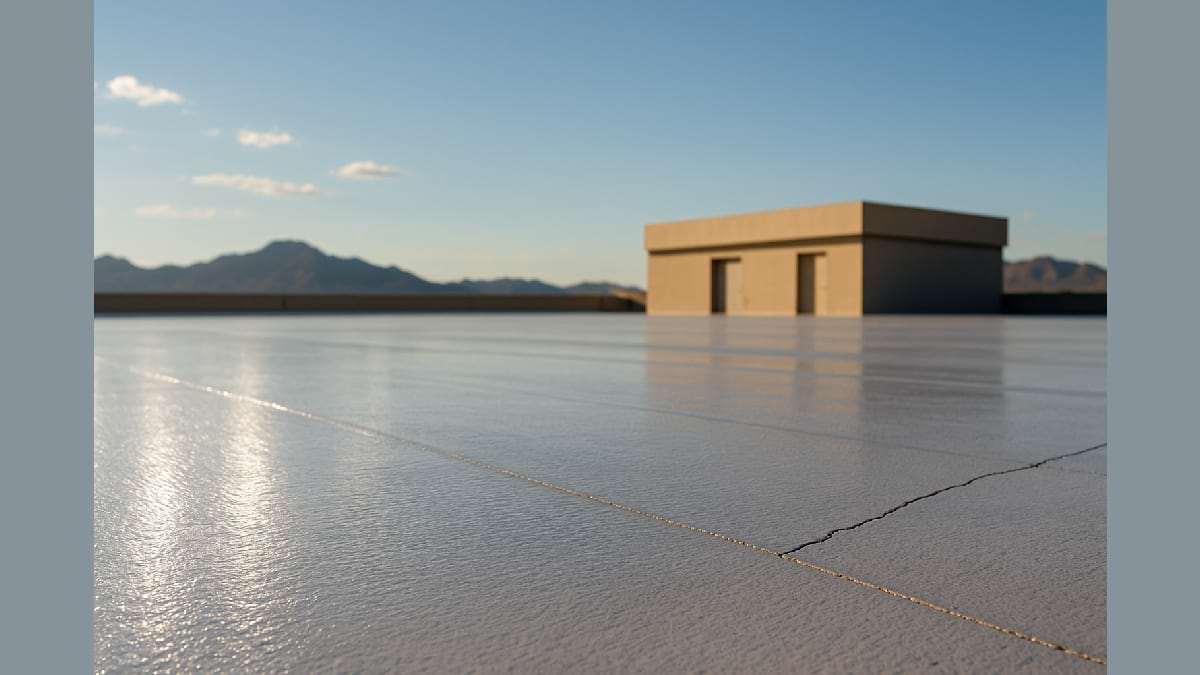
Once the curing window closes, surface protection matters. Reflective concrete coatings used in Arizona can reduce surface temperatures by up to 20 degrees and cut thermal cycling stress.
If damage has already occurred, prioritize repairs: fix structural cracks first, then address surface scaling and joints. Staging repairs avoids rework and limits business interruptions.
Field results that prove the approach
Case study 1, North Phoenix HOA parking slabs. Runyon Construction recommended chilled mixing water, night pours on three high-sun days, and fiber reinforcement. Outcome: 4,200 sq ft poured with no hairline or thermal cracks after 12 months; the avoided replacement cost was estimated at $32,000.
Note: Prices are just examples and may not reflect actual costs.
Case study 2, Tucson Logistics Center dock aprons. An early-morning pour schedule, ice in the mix, and a liquid curing compound reduced concrete temperature by 18 degrees. Outcome: First-year maintenance fell by 80 percent, and the project finished 5 days ahead of schedule.
Decide fast and see immediate benefits
Deciding now separates owners who pay once for prevention from owners who pay repeatedly for repair. Want to avoid trial and error? Book a free site assessment with Runyon Construction.
After you book, a Runyon project manager visits, measures slab areas, reviews schedule constraints, and produces a one-page action plan with recommended mix, timing, chilling materials, and a firm estimate. Typical commitment is a 60-minute site visit and a written plan within 48 hours, so risk and effort are low while upside is high.
Objections answered with practical facts
Objection 1: I can’t afford upgrades. Small changes like iced water or timing shifts cost little and can cut major repair bills, making the decision budget-positive in months, not years.
Objection 2: Scheduling is impossible. Night and early-morning pours add operational costs of 5 to 12 percent, but they dramatically reduce the likelihood of replacement and avoid multi-day shutdowns later.
Objection 3: I don’t trust new admixtures. Insist on trial batches and lab data; many heat-tolerant admixtures have decade-long track records in desert climates and measurably reduce thermal-cracking risk.
Start these steps this week
- Audit an upcoming pour: record time, forecast high, wind speed, and available shade.
- Ask your batch plant to drop the concrete temperature by about 15 degrees using chilled water or ice.
- Specify a written curing plan that includes a membrane-forming compound and a reflective covering for the slab faces that face direct sun.
- Schedule Runyon Construction for a free site assessment to get a no-nonsense execution plan.
Each step increases your control and reduces the risk of a failed pour.
FAQs About Hot Weather Concrete Pouring
Q1: What are the best times to schedule concrete pours in Arizona?
The ideal schedule is during the coolest hours of the day, typically between 4 AM and 9 AM, or after 7 PM once temperatures drop. Early-morning pours reduce evaporation and minimize the need for aggressive admixtures, lowering the risk of plastic shrinkage and cracking.
Q2: Do chilled water and ice really make a difference in concrete mixing?
Yes. Lowering the mix temperature by 10 to 20 degrees slows hydration and allows the concrete to gain strength more evenly. Using ice at the batch plant is a simple, cost-effective step that significantly improves temperature control during hot-weather pours.
Q3: Which admixtures help prevent thermal cracking?
Set retarders, shrinkage-reducing admixtures, and high-range water reducers are commonly used in high-temperature conditions. Contractors should request product data specifically for hot-weather performance and run trial mixes before committing to large-scale pours.
Q4: When should reflective concrete coatings be applied?
Reflective coatings should be applied only after the slab has reached its designed strength and any repairs are complete. This typically occurs 14 to 28 days after placement. These coatings help reduce surface temperature fluctuations and slow long-term deterioration.
Q5: What are the realistic costs if heat protection is ignored?
Ignoring proper heat protection can lead to costly repairs. Surface fixes may range from $2 to $6 per square foot, while full slab replacements can range from $8 to $25 per square foot. On large commercial floors, these repairs can quickly escalate into tens of thousands of dollars and significant operational downtime.
Note: Prices are examples and may not reflect actual costs.
Q6: What is Runyon Construction’s start timeline after booking?
Runyon Construction typically schedules a free site assessment within 72 hours of booking. After the visit, a one-page action plan is issued within 48 hours, followed by a fixed-price quote within five business days. This streamlined process provides a clear path forward with minimal effort from the client.
Take the step that prevents regret
Waiting until fall means accepting a higher risk and likely paying more. Stop guessing. Protect a slab for the next decade, book a free site assessment with Runyon Construction, and get a clear plan, a fixed-price option, and the confidence that removes the risk from your project. Act now and avoid paying for the same mistake twice.